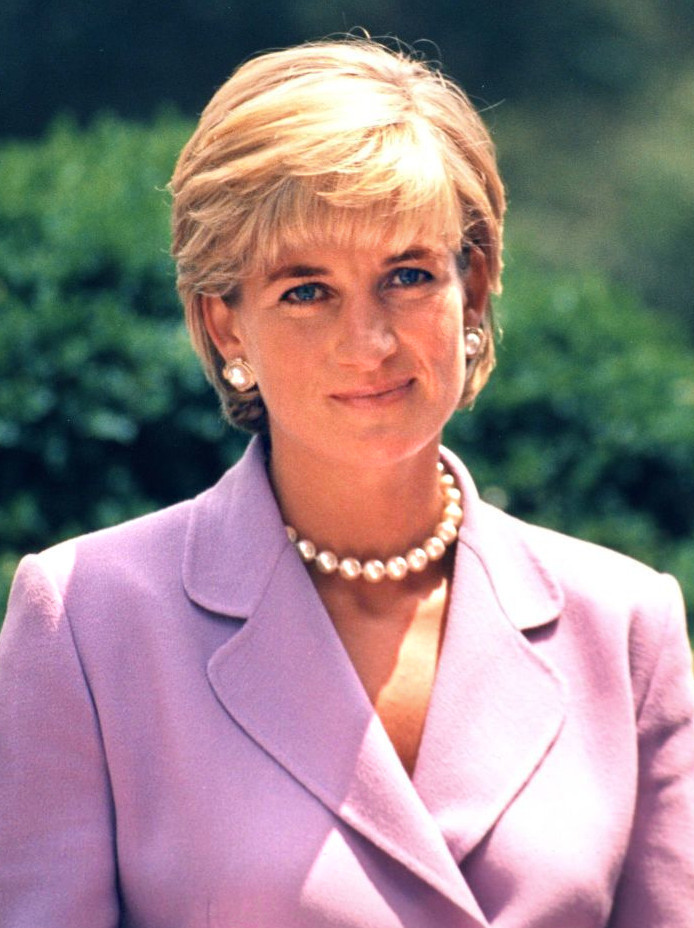
Princess Diana News: Her Enduring Impact and History
The global fascination with Diana, Princess of Wales, shows no signs of waning, even decades after her tragic passing. Her life story, marked by fairytale romance, intense public scrutiny, groundbreaking humanitarian work, and a profound connection with ordinary people, continues to resonate across generations. While the name "Diana" might prompt a variety of searches, from contemporary figures to inquiries like Diana DeGarmo net worth, this comprehensive article focuses squarely on the unparalleled legacy of the "People's Princess" herself. We delve into her enduring impact, the history she shaped, and why her memory remains so potent in the public consciousness, shaping perceptions of royalty, philanthropy, and the media.
The People's Princess: A Life in the Public Eye
Born Diana Frances Spencer in 1961, her journey to becoming one of the most recognized women in the world began with her engagement to Prince Charles, heir to the British throne. Their 1981 wedding, watched by an estimated 750 million people worldwide, was the quintessential fairytale, transforming a shy kindergarten assistant into a global icon. From that moment, Diana lived a life under an unprecedented media microscope, navigating the rigid protocols of the monarchy while striving to carve out her own path.
Diana quickly realized that her position offered a unique platform for advocacy and connection. Unlike many royals before her, she possessed an innate ability to connect with people from all walks of life, effortlessly bridging the gap between royalty and the common person. Her approach was often characterized by a warmth and spontaneity that was revolutionary for the monarchy. She would frequently eschew gloves, shaking hands directly with the public, a simple gesture that spoke volumes about her desire for genuine human connection. This empathetic style laid the groundwork for her enduring title: "The People's Princess."
Her time within the Royal Family was not without its challenges. The intense pressure of public life, coupled with marital difficulties, played out in front of the world. Yet, even amidst personal struggles, Diana remained committed to her public duties and, crucially, to her role as a mother to Prince William and Prince Harry. She famously sought to give her sons as normal an upbringing as possible, taking them to theme parks, fast-food restaurants, and queuing with them for school events, all while teaching them the importance of service and compassion.
Princess Diana: Biography, Wedding, Children & FuneralA Legacy of Compassion and Humanitarianism
Perhaps Diana's most profound and lasting impact lies in her groundbreaking humanitarian work. She used her unparalleled fame to shine a light on marginalized groups and stigmatized issues, fundamentally altering public perception and accelerating global change. Her approach was hands-on, fearless, and deeply personal.
- AIDS Awareness: In the 1980s, when fear and misinformation surrounded the AIDS epidemic, Diana famously shook hands with an AIDS patient without gloves. This simple, powerful act, broadcast globally, helped to dismantle the stigma associated with the disease and demonstrated a profound level of empathy and understanding that was ahead of its time. It sent a clear message that AIDS patients deserved compassion, not condemnation.
- Landmine Campaign: Towards the end of her life, Diana became a vocal advocate for the banning of landmines. Her visits to Angola and Bosnia in 1997, where she walked through active minefields and met with victims, brought unprecedented media attention to the issue. Her efforts were instrumental in accelerating the signing of the Ottawa Treaty, which banned anti-personnel landmines later that year. Her courage in addressing such a politically charged issue cemented her status as a global humanitarian.
- Support for the Homeless and Vulnerable: From a young age, Diana showed a keen interest in supporting the homeless. She was a patron of numerous charities dedicated to helping those in need, frequently making private visits and engaging personally with individuals experiencing poverty and hardship.
Her compassion wasn't just performative; it was deeply ingrained. She showed genuine interest in the stories of those she met, offering comfort and validating their experiences. This authentic human connection is a cornerstone of her enduring appeal and a model for modern philanthropy.
Style Icon and Cultural Phenomenon
Beyond her humanitarian efforts, Diana was an undisputed global style icon. Her fashion choices were meticulously followed and widely emulated, reflecting her evolving journey from a demure royal bride to a confident, independent woman. She understood the power of visual communication, using fashion to convey messages, assert her identity, and even subtly challenge royal norms.
From the voluminous gowns of her early royal life to the sleek, sophisticated "revenge dress" worn after her separation, every outfit told a story. She popularized trends, championed British designers, and demonstrated a versatility that made her a fashion force. Her influence extended beyond clothing to her hairstyle, her mannerisms, and her general aesthetic, making her one of the most photographed women in history. She wasn't just a royal; she was a cultural phenomenon whose image graced countless magazine covers and defined an era.
Her relationship with the media was complex and often fraught. While she skillfully used the press to highlight her charitable causes, she also experienced the intense, invasive scrutiny that ultimately contributed to her tragic death. This delicate balance highlights the evolving nature of celebrity and the growing power of the paparazzi in the late 20th century. Her story serves as a poignant reminder of the double-edged sword of public fame.
Remembering Princess Diana: The People's Princess LegacyEnduring Influence and Modern Relevance
More than two decades after her passing, Princess Diana's influence continues to reverberate, particularly within the British monarchy and in wider society. Her sons, Prince William and Prince Harry, have openly spoken about her impact on their lives and their commitment to carrying forward her legacy of service and compassion. Both princes have adopted Diana's hands-on approach to charity, tackling issues she cared deeply about, such as mental health and AIDS awareness, and forging their own paths of public service.
Diana played a crucial role in modernizing the monarchy, making it more accessible and relatable to the public. Her willingness to show emotion, her embrace of informality, and her focus on causes rather than just ceremonial duties pushed the institution towards greater transparency and engagement. Her emphasis on empathy, authenticity, and direct connection continues to influence how the Royal Family interacts with the public today.
Her story also offers valuable lessons on navigating public life and understanding media narratives. For those interested in historical figures or public perception, analyzing how Diana was portrayed versus her actual actions can be incredibly insightful. Consider these tips:
- Seek Multiple Perspectives: Don't rely on a single source. Read biographies, watch documentaries, and consult contemporary news reports from various outlets to form a balanced view.
- Contextualize Actions: Understand the social and political climate of the time. Diana's actions, particularly concerning AIDS or landmines, were revolutionary for her era.
- Analyze Media Portrayal: How did the media frame her? Was it always fair? How did her image evolve? This helps to deconstruct the constructed narratives around public figures.
The enduring public interest in Princess Diana, sometimes merging with curiosity about other figures named Diana, such as the aforementioned Diana DeGarmo net worth, underscores a broader fascination with public figures who leave an indelible mark. Diana's unique blend of vulnerability and strength, glamour and compassion, secured her a permanent place in history, not just as a royal, but as a beacon of humanity.
In conclusion, Princess Diana's legacy is far more than just a royal fairytale. It is a story of a woman who defied expectations, broke barriers, and used her platform to champion the voiceless. Her unwavering commitment to humanitarian causes, her revolutionary approach to royal duties, and her profound ability to connect with people ensured that her impact transcended her lifetime. Diana, Princess of Wales, remains a powerful symbol of compassion, resilience, and the enduring spirit of "The People's Princess."
